
 简体中文
 English
 русский
 Français
 Español
 عربى
Submit feedback
How to Choose Solar Energy Storage Systems?
Short answer: choose a solar energy storage system by matching three things: how much energy you use after sunset, which battery voltage your inverter and load profile support, and where the unit will physically sit. For most homes, a 5 kWh to 15 kWh low voltage lithium system is the practical fit. For factories, farms and commercial sites, a high voltage cluster or an outdoor cabinet system usually performs better.
How to Choose a Solar Energy Storage System
Solar panels only produce power while the sun is up, yet most households use the largest share of electricity in the early morning and evening. A storage system closes that gap by holding surplus daytime energy and releasing it when demand rises. Choosing well comes down to a short checklist rather than a long spec sheet.
Step 1: Measure your evening load
Look at your electricity records and note how many kilowatt hours you consume between sunset and sunrise. A typical household uses 10 kWh to 30 kWh per day, and roughly 40 to 60 percent of that often falls after dark. If your overnight use is 8 kWh, a 10 kWh battery with a usable depth of discharge above 90 percent covers it with a small reserve.
Step 2: Check power rating, not only capacity
Capacity in kWh tells you how long the battery lasts. Power in kW tells you how many appliances can run at the same moment. A 10 kWh battery with a 3 kW output can run lighting, a refrigerator and a router comfortably, but it will struggle to start a 5 kW air conditioner. Always compare both numbers.
Sizing rule of thumb: take your average overnight kWh, add 20 percent for losses and growth, then divide by the battery usable depth of discharge. Example: 8 kWh x 1.2 = 9.6 kWh, divided by 0.9 gives about 10.7 kWh of nominal capacity.
Step 3: Confirm chemistry and safety design
Lithium iron phosphate (LiFePO4) is the dominant choice for stationary storage because of its thermal stability and long cycle life. Look for an integrated battery management system, over-current and short-circuit protection, temperature monitoring and a communication port that works with your inverter.
Step 4: Plan for expansion
Energy needs rarely shrink. Modular systems let you start with one unit and add more later, so you avoid paying for capacity you do not yet need while keeping the upgrade path open.
Low Voltage vs High Voltage Solar Storage: Which Is Better
Direct answer: low voltage storage is better for homes and small shops where simplicity and flexible installation matter. High voltage storage is better for large residential projects, commercial buildings and industrial sites where efficiency and scale matter most.
How the two designs differ
Low voltage systems operate around 48 V. They are easy to wire, widely compatible with hybrid inverters, and suitable for step-by-step expansion. High voltage systems operate from roughly 100 V up to 600 V or more. Higher voltage means lower current for the same power, which reduces cable heating and conversion losses and allows thinner cabling over long runs.
| Factor | Low Voltage | High Voltage |
| Typical bus voltage | 48 V to 51.2 V | 100 V to 600 V |
| Typical capacity range | 5 kWh to 30 kWh | 10 kWh to several hundred kWh |
| Cable current | High, needs thicker cable | Low, thinner cable is enough |
| Installation effort | Simple, plug and play | Needs trained installers |
| Best fit | Homes, small shops, cabins | Factories, farms, commercial sites |
When high voltage pays off
Consider a factory that needs 100 kW of backup for peak shaving. At 48 V, that would mean more than 2,000 A of current, which is impractical. At 400 V, the same power needs about 250 A. This is why the High-Voltage Battery Cluster for Industrial Solar Energy Storage System is built around higher bus voltages and rack-based expansion.
Compatibility check: the battery voltage window must sit inside the inverter input window. Mixing a high voltage battery with a low voltage inverter, or the reverse, is the most common cause of failed commissioning.
Explore the Solar Storage Product Series
Solar Energy Storage Product Series
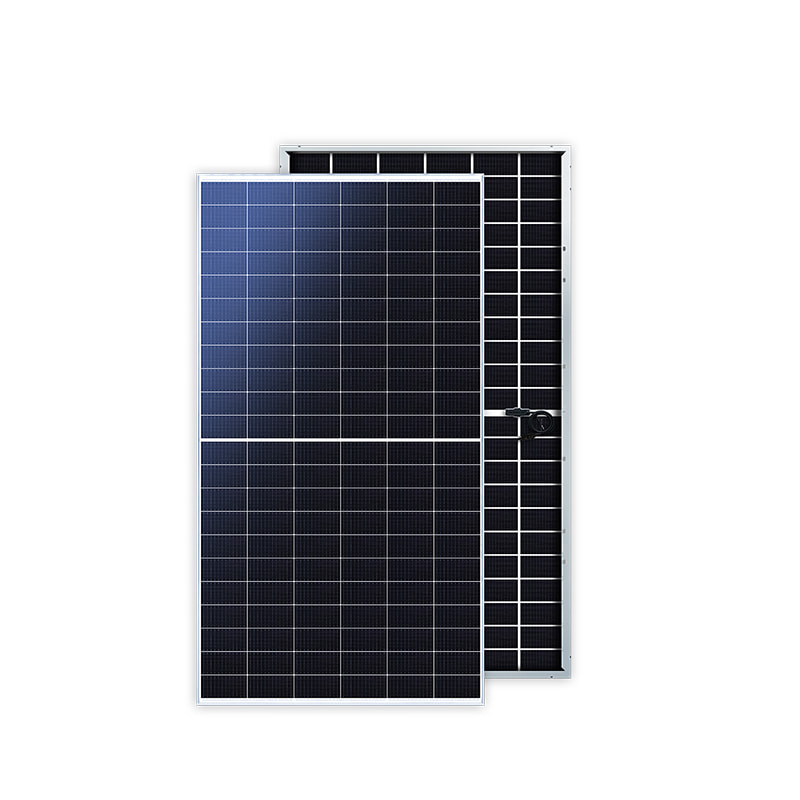
From photovoltaic modules to wall mounted and mobile battery units, these products cover generation, storage and portable power for homes, businesses and field work.
Stackable vs Wall Mounted Lithium Battery Storage: Which Fits Better
Direct answer: choose a stackable system if you expect your energy needs to grow or have floor space in a garage or utility room. Choose a wall mounted system if floor space is limited and you want a clean, fixed installation that stays out of the way.
Stackable systems: grow in blocks
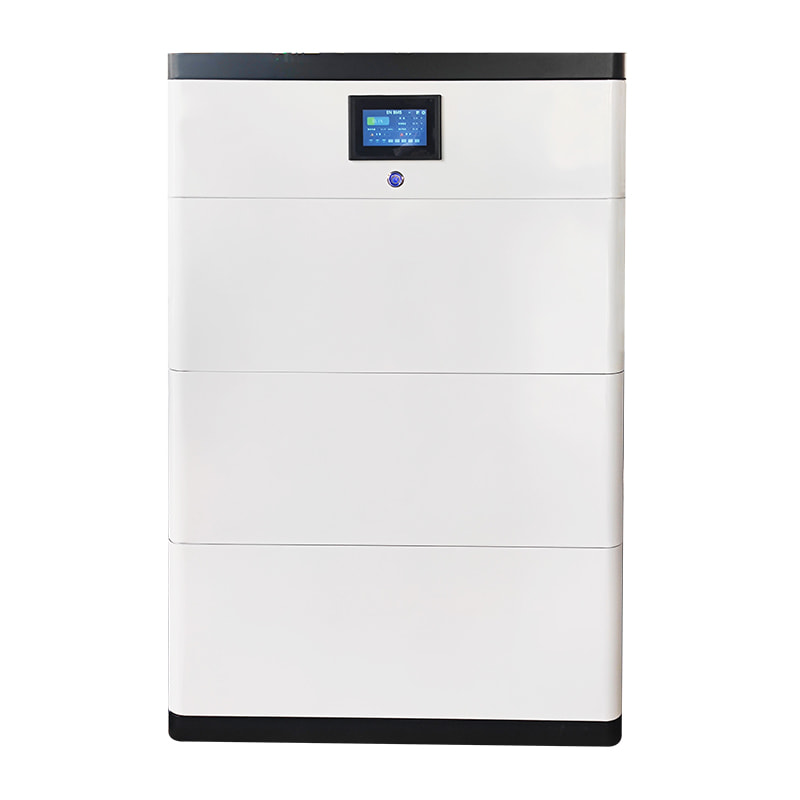
Stackable batteries are built as modules that sit on top of each other and connect through a shared communication and power bus. You might begin with two modules of 5 kWh each for 10 kWh total, then add two more later to reach 20 kWh. The Low Voltage Stackable Lithium Battery Solar Energy Storage System follows this approach, and the High Voltage Stackable Lithium Battery Solar Energy Storage System extends the same logic to higher voltage designs.
Wall mounted systems: save space
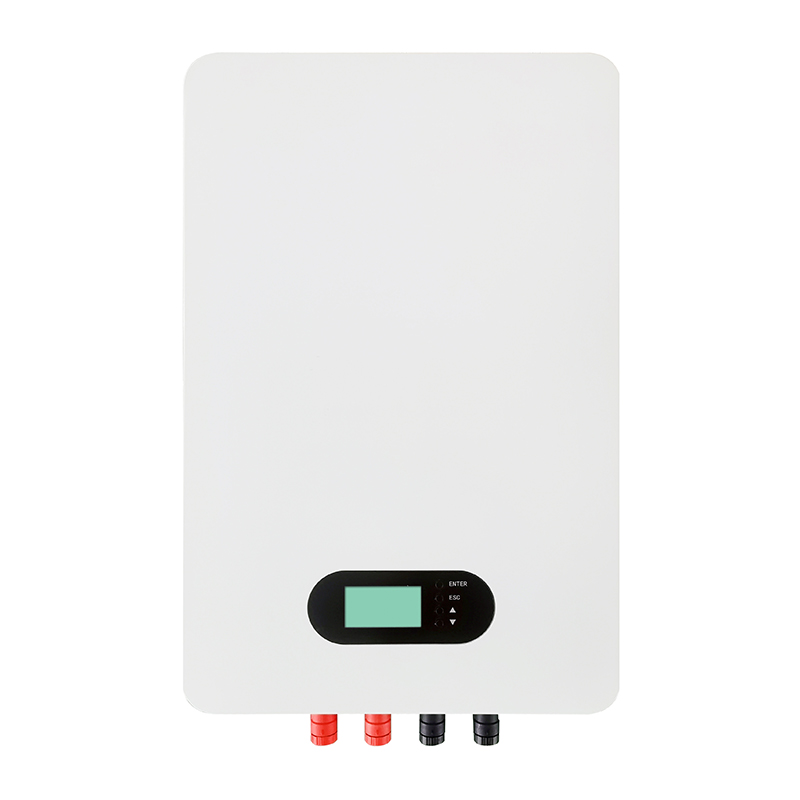
Wall mounted units are slim and attach to a structural wall with a bracket. They suit apartments, narrow side yards and shops where every square metre counts. Most wall mounted batteries sit in the 5 kWh to 15 kWh range and can often be paralleled with a second unit.
Stackable
Best for growing loads, floor installation, easy servicing of individual modules and a clear expansion plan.
Wall Mounted
Best for limited floor space, tidy indoor installation, compact homes and fixed backup needs.
Installation note: allow ventilation clearance around any lithium battery, avoid direct sunlight and keep the ambient temperature within the manufacturer range, commonly 0 to 45 degrees Celsius for charging.
Which Solar Energy Storage Suits Home Backup and Commercial Use
Direct answer: homes generally need a compact all-in-one or wall mounted unit with 5 kWh to 20 kWh. Commercial sites generally need an air cooled outdoor cabinet or a high voltage cluster with 50 kWh and above.
Residential: reduce grid dependence
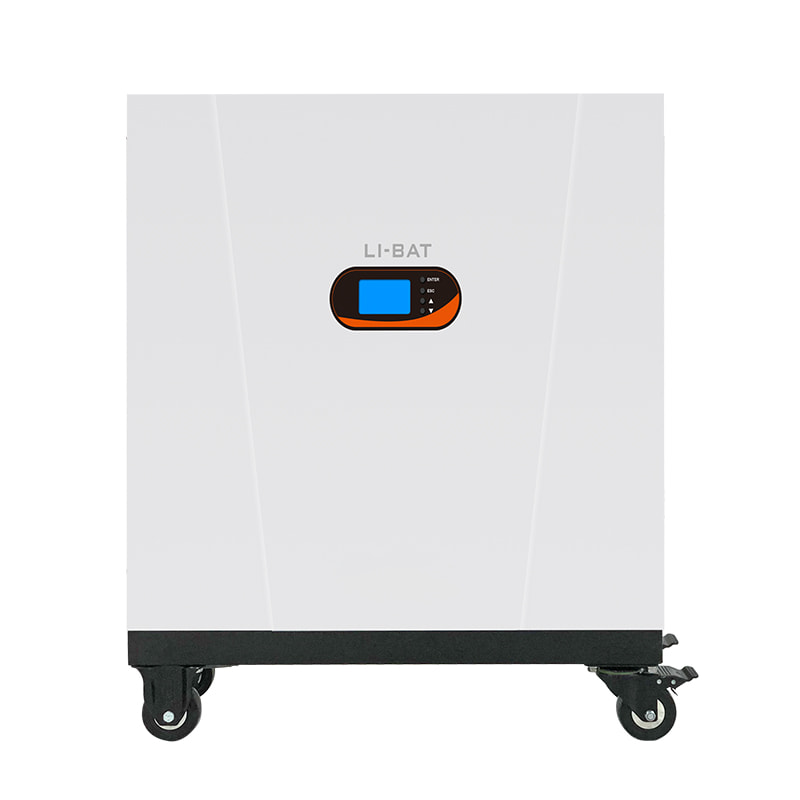
A family with a 6 kW rooftop array can produce 25 kWh to 30 kWh on a sunny day. Without storage, perhaps half of that is exported at midday. With a 10 kWh battery, the household can shift most of that surplus into the evening, raising self-consumption from around 40 percent to 70 percent or more. The All-in-One Solar Storage Lithium Battery System Stacked Wheeled for Home Energy integrates battery and controller in one cabinet, which shortens installation time.
Commercial: peak shaving and continuity
Shops, clinics, cold storage rooms and small factories use storage to cut peak demand charges and ride through outages. The Air Cooled Outdoor Cabinet Energy Storage System for Commercial Solar Power is designed for outdoor placement, so it frees indoor floor area and simplifies thermal management.
| Scenario | Suggested Format | Example Capacity |
| Apartment or small house | Wall mounted | 5 kWh to 10 kWh |
| Large family home | Stackable or all-in-one | 10 kWh to 30 kWh |
| Telecom or server room | Rack mount module | 5 kWh per 19 inch rack unit |
| Retail or light industry | Outdoor cabinet | 50 kWh to 200 kWh |
| Large industrial site | High voltage cluster | 200 kWh and above |
Server rooms and critical loads
For equipment that cannot lose power, the Rack Mount Lithium Battery Energy Storage Module for Server and telecom use fits standard 19 inch racks. It keeps the footprint small and lets operators add modules as the load grows.
What Solar Energy Storage Works for Mobile and Off-Grid Needs
Direct answer: a mobile solar energy storage system with a lithium battery is the best fit for construction sites, outdoor events, remote monitoring stations and emergency response, because it combines generation input, storage and output in one movable unit.
Why mobility matters
Remote sites often rely on diesel generators that are noisy, need refueling and produce emissions. A mobile solar storage unit charges from photovoltaic panels during the day and delivers silent power at night. A 3 kWh to 10 kWh mobile unit can run lighting, laptops, small pumps and communication gear for a full shift.
Pairing with photovoltaic panels
Output depends on panel area and sun hours. As an example, 2 kW of panels in a location with 5 peak sun hours yields about 10 kWh per day, enough to fully recharge a 10 kWh mobile battery on a clear day. In cloudy weather, plan for 30 to 50 percent less.
Off-grid planning tip: size for two to three days of autonomy if the site has frequent cloud cover. Add panels before adding batteries when the battery never reaches full charge.
Final Checklist Before You Decide
- Record your overnight energy use in kWh and your peak load in kW.
- Match battery voltage to the inverter input window.
- Choose LiFePO4 chemistry with an integrated battery management system.
- Pick the format that fits the space: stackable, wall mounted, rack mount, cabinet or mobile.
- Confirm that the system can expand in modules as demand grows.
- Verify ventilation, temperature range and protection ratings for the installation site.
Solar energy storage works best when every part of the system is sized for a real load, not a guess. Start with your measured numbers, choose the voltage class and format that suit the site, and select a modular product so the system can grow with your needs.
Next: No next article


Contact Us
-

Email: alex@streetlight-solar.com
-

Tel: +86-19962566117
-

No. 1, South Tongshan Road, Tianshan Town, Songqiao Town, Gaoyou City, Yangzhou City, Jiangsu Province, China
